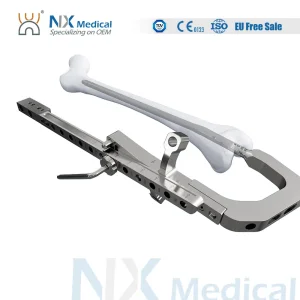
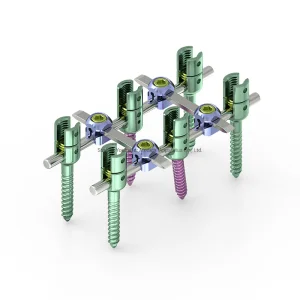
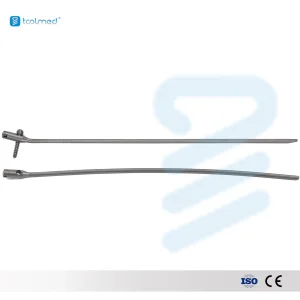
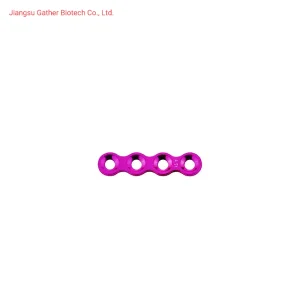
Engineered to withstand anatomical stress loads and deliver precise biomechanical fixation
In modern reconstructive and trauma orthopedics, the choice of **plate systems** represents a critical clinical decision. These implant systems—ranging from low-profile maxillofacial trauma units to load-bearing femoral lock-plates—provide the absolute stabilization necessary for primary osseous healing. A high-quality plate system does not merely immobilize bone fragments; it actively regulates the micro-motion at the fracture site to stimulate vascular regeneration while minimizing the risk of stress shielding.
"Clinical studies demonstrate that titanium alloy (Ti-6Al-4V ELI) plates, when processed via precision CNC micro-milling, offer up to 40% lower elastic modulus compared to traditional stainless steel, thereby significantly minimizing the physiological risk of stress shielding."
When selecting a premium medical manufacturer, healthcare distributors and surgical centers prioritize biomechanical compatibility, surface texture, and regulatory approval. Highly specialized plates incorporate features like **combi-holes**, allowing clinicians to combine compression fixation with dynamic locking mechanics in a single surgical intervention.
The global market for orthopedic implants and trauma fixation plate systems is undergoing unprecedented structural shifts. Demographically driven by an aging global population, combined with a rising incidence of high-impact sports injuries and motor-vehicle accidents, the demand for robust titanium and steel construct systems is projected to achieve a CAGR of over 6.5% through 2030.
Traditionally dominated by Western multinationals, the landscape has evolved into a highly competitive, diversified supply model where top-tier global exporters from manufacturing hubs in Asia offer identical biocompatibility and mechanical longevity at significantly reduced system costs.
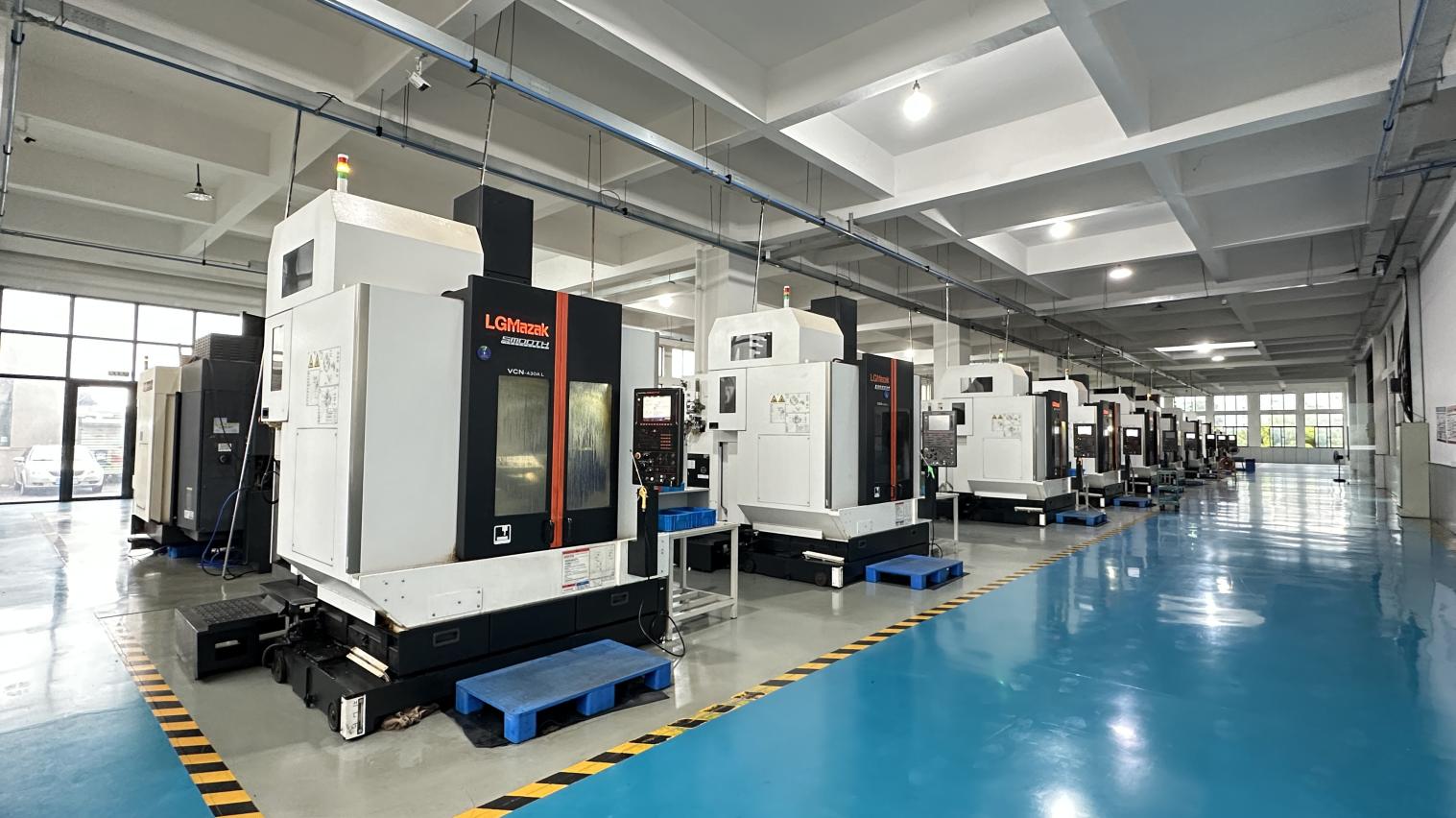
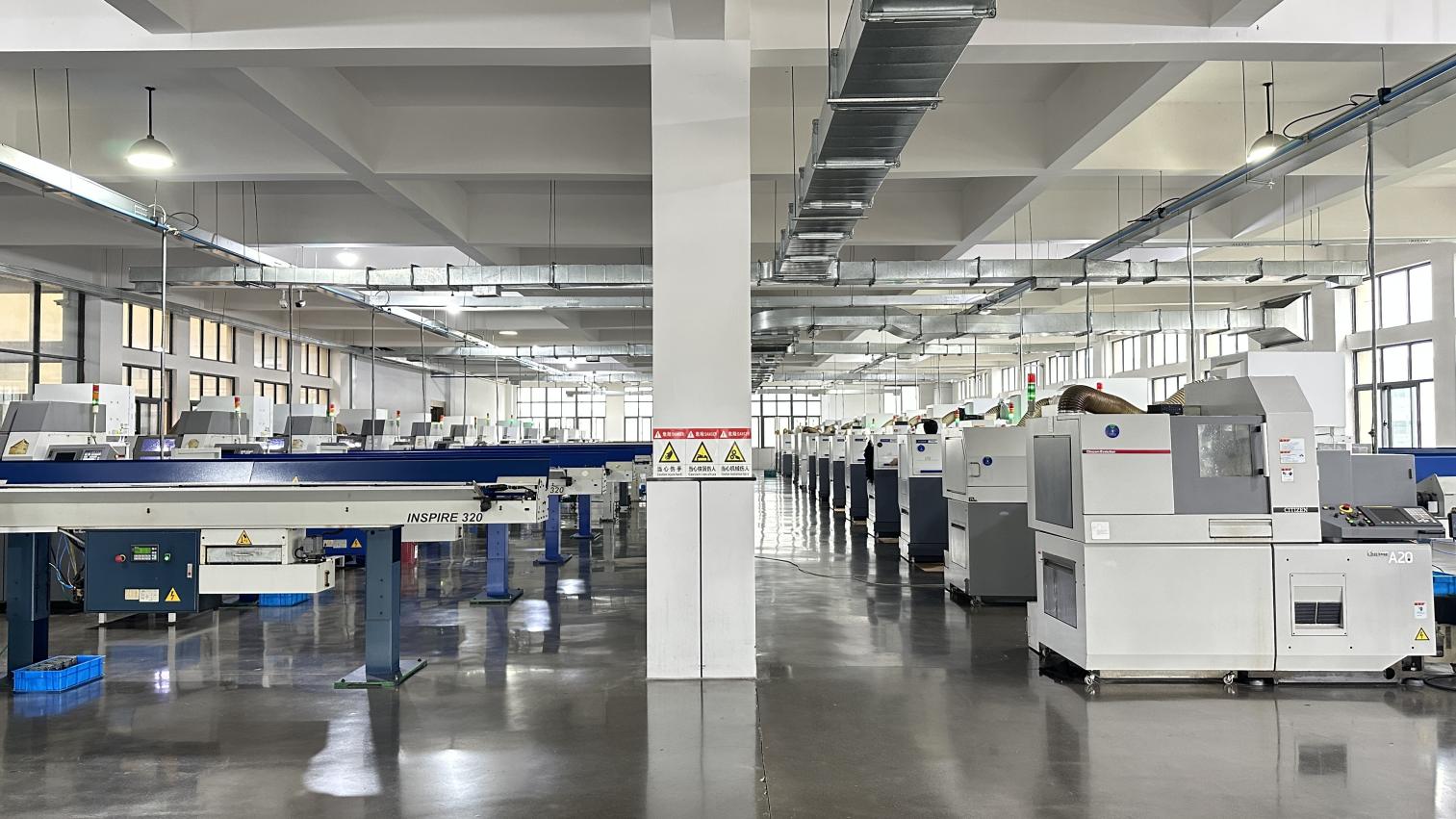
The integration of advanced manufacturing infrastructure in China has revolutionized the cost-to-benefit ratio of trauma implants. By combining vertical raw material integration—such as domestic sourcing of high-purity medical titanium—with automated multi-axis Swiss CNC lathe milling, factories dramatically reduce cycle times while maintaining geometric tolerances within a 5-micron deviation.
Furthermore, modern Chinese fabrication facilities employ Class 10,000 cleanrooms for sterile packaging, dynamic anodizing lines for visual color coding of locking screws, and state-of-the-art coordinate measuring machines (CMM) to verify physical tolerances. This level of supply chain agility ensures that large-scale distributors avoid the shipping disruptions and procurement bottlenecks that frequently plague Western manufacturing pipelines.
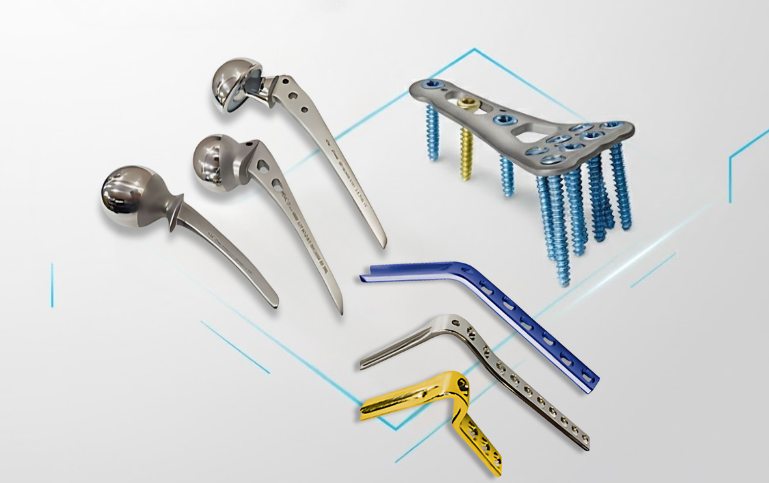
As surgical trends lean heavily toward minimally invasive procedures and custom-fit devices, the technical design of plate systems has split into three developmental pathways:
Utilizing patient CT imaging data, manufacturers can output customized titanium mesh and reconstruction plates. This completely eliminates intraoperative bending and manual adjustment, dramatically reducing anesthesia exposure times and improving reconstructive geometry in complex cranio-maxillofacial and pelvic trauma surgeries.
Modern plate interfaces are increasingly treated with bioactive agents. By incorporating hydroxyapatite (HA) or titanium-coating PEEK structures, these implants offer the mechanical flexibility of traditional composite materials with the rapid osseointegration properties of pure titanium.
To prevent long-term foreign body presence, research is actively transitioning transient implants—such as pediatric small-fragment plates—to magnesium-based alloys. These implants slowly dissolve at a rate corresponding to natural osteoblast proliferation, rendering secondary retrieval surgeries obsolete.
Providing high-integrity orthopedic solutions to surgeons and medical institutions worldwide since 1981.
Established in the year 1981, **Tonk** (also widely recognized under its affiliate operations including **HEMC Ortho**) has been a foundational pillar in the export of medical devices, hospital hollow wares, scientific lab setups, and orthopedic implants globally. Spanning all continents from "The Americas" to "Europe" and beyond, our logistics capability ensures medical supplies arrive exactly when and where they are needed.
With a dedicated team of 100+ highly trained professionals operating across production engineering, cleanroom sterilization, precision QA testing, and rapid logistics, we guarantee that every single device meets global healthcare standards.

The logistics department makes sure that your goods reach you with the best available carriers in the shortest possible time frame.

Every Tonk product comes with an assurance of high quality and zero compromise in its production, performance, and safety parameters.
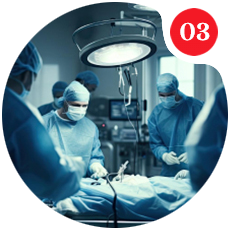
Our innovative approach towards product design and production help us bring you the best products at even better, competitive prices.

Our expert post-sales customer service team is available 24/7 to promptly answer all your queries regarding our products and configurations.
Distributing anatomical plating systems internationally demands deep adherence to local regulatory frameworks. To support our distribution networks, our products maintain certifications across primary medical oversight bodies.
All implantable components, including locking compression plates, cortical screws, and intramedullary nails, undergo rigorous validation. This guarantees alignment with the European Union Medical Device Regulation (EU MDR), United States FDA 510(k) standards, and domestic cleanroom registrations. Our documentation packages include detailed biocompatibility profiles, mechanical fatigue test results (ASTM F382), and gamma/EO sterilization cycle validations.
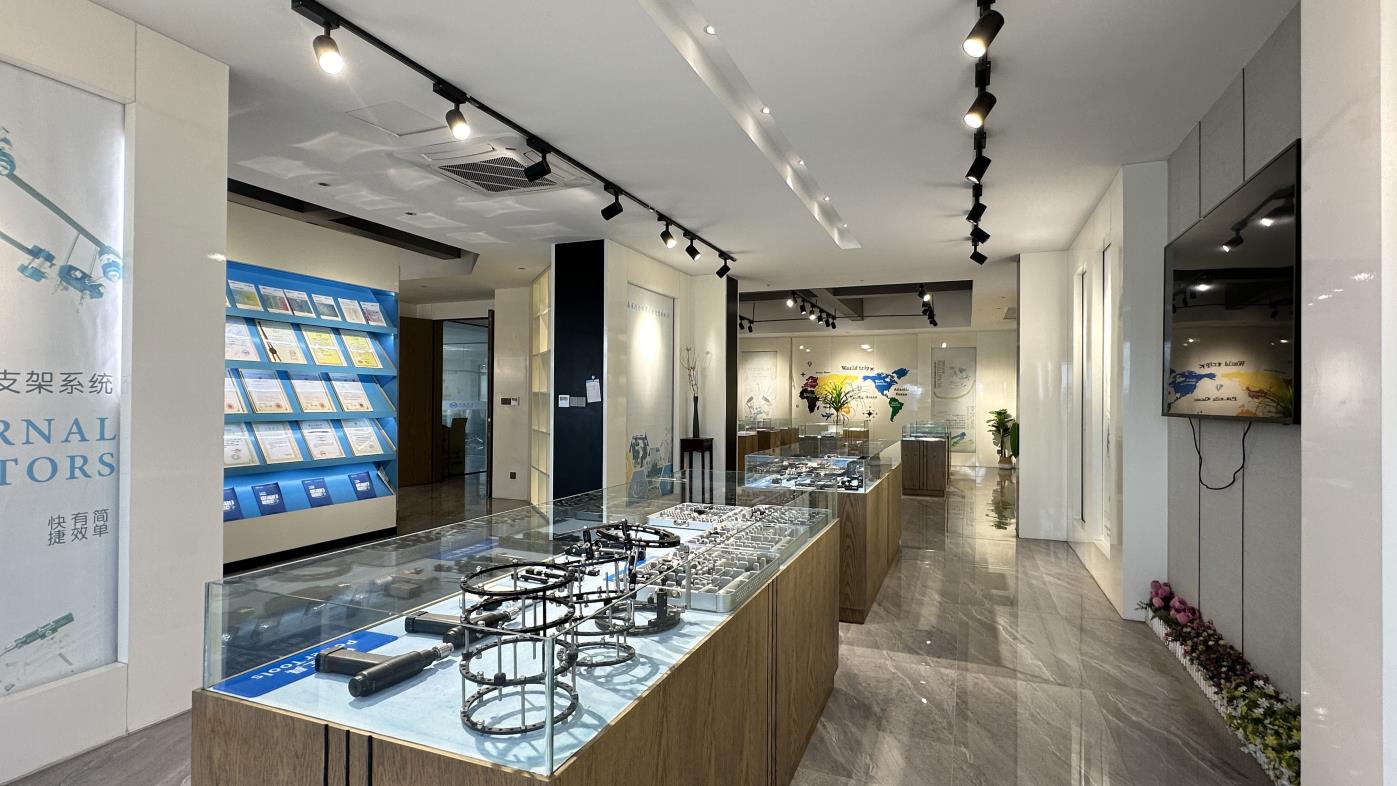
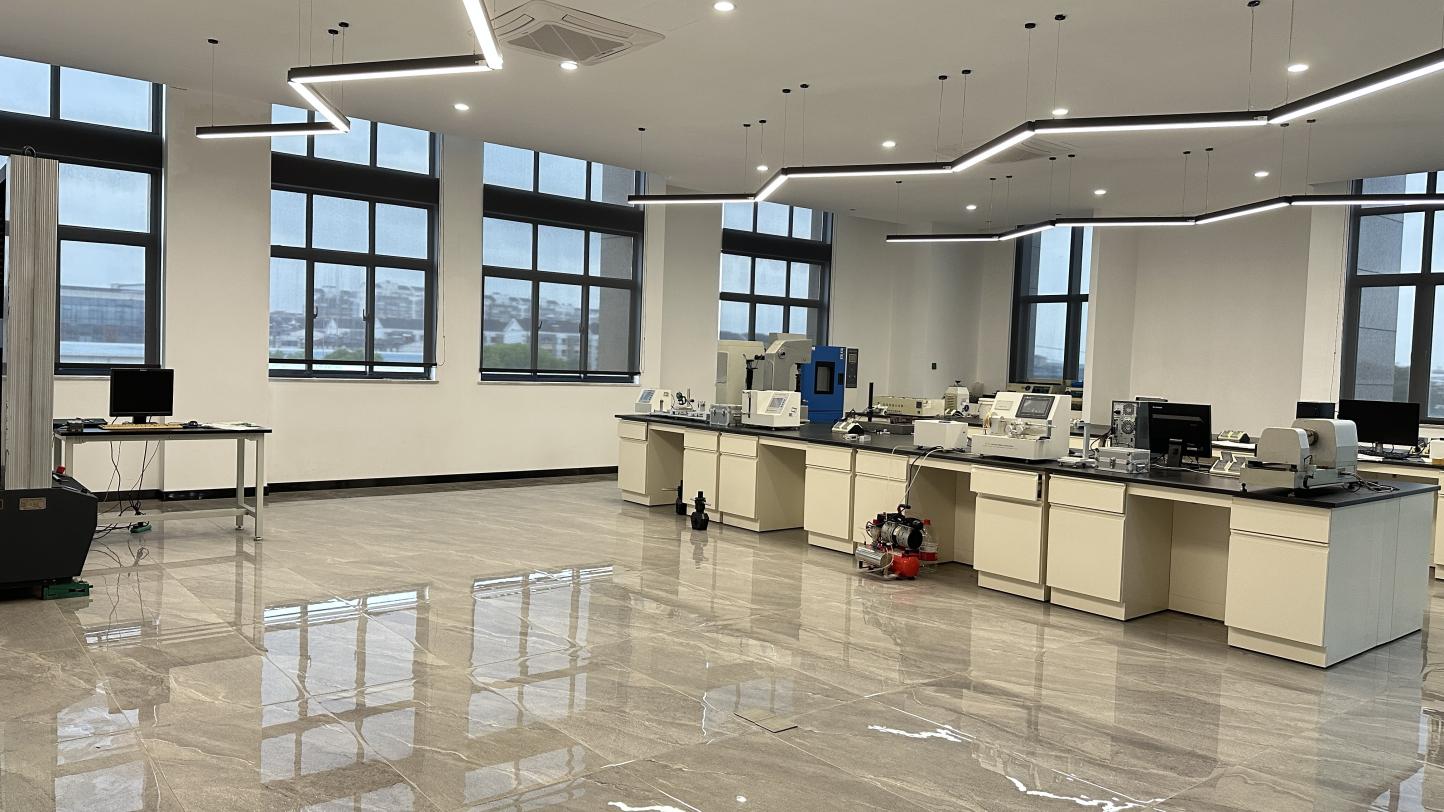
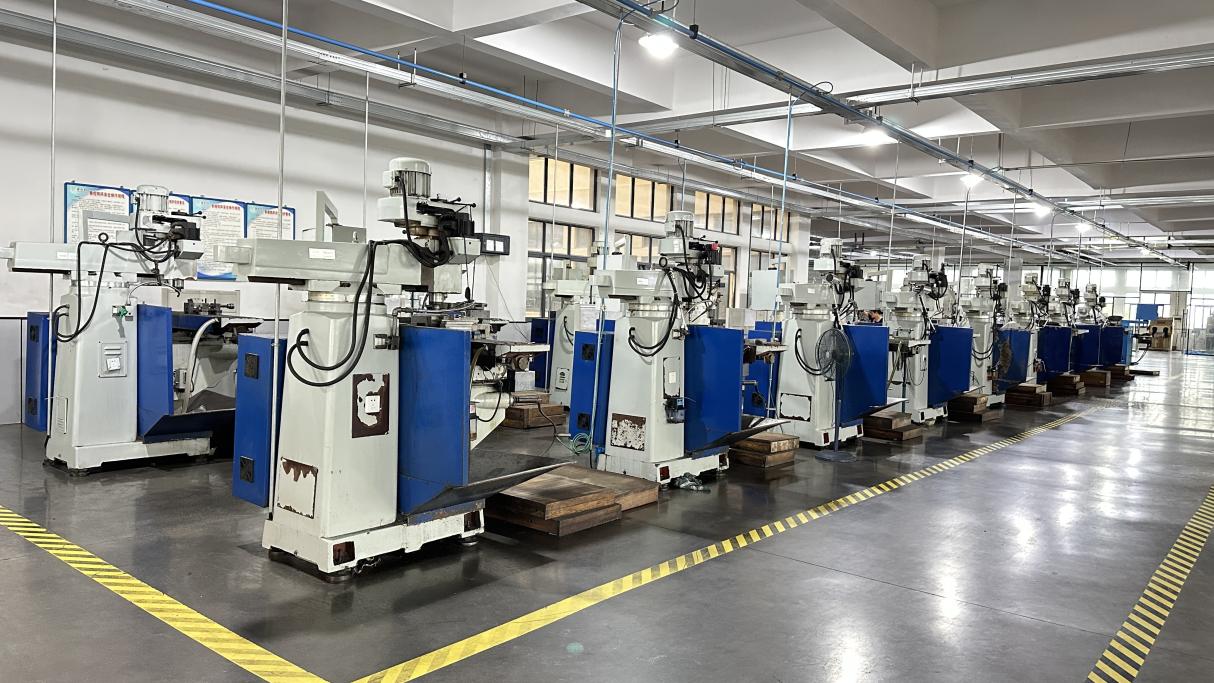
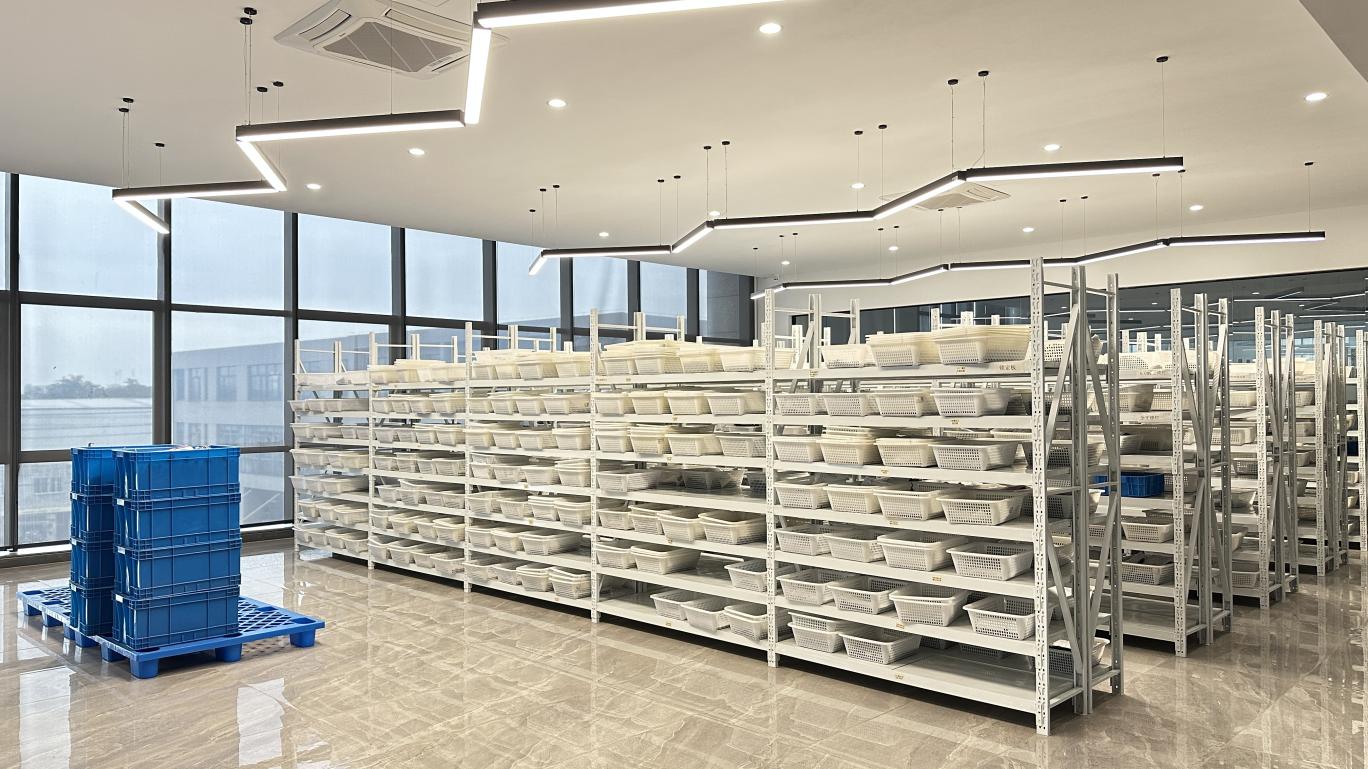
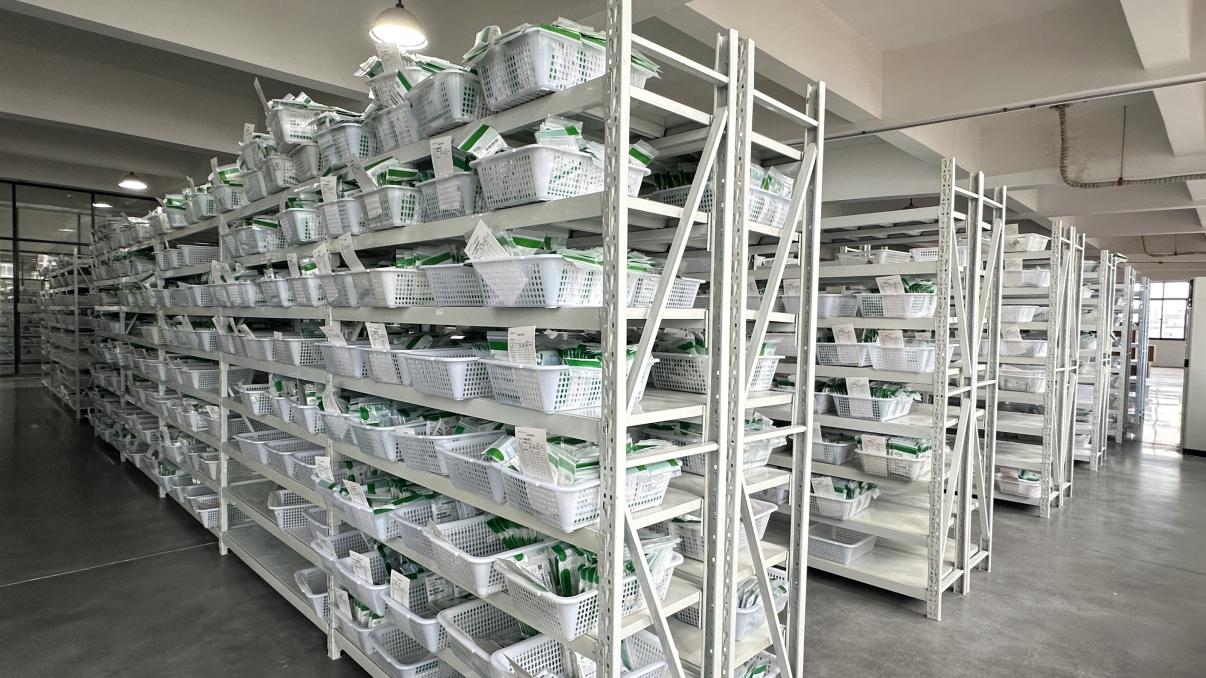
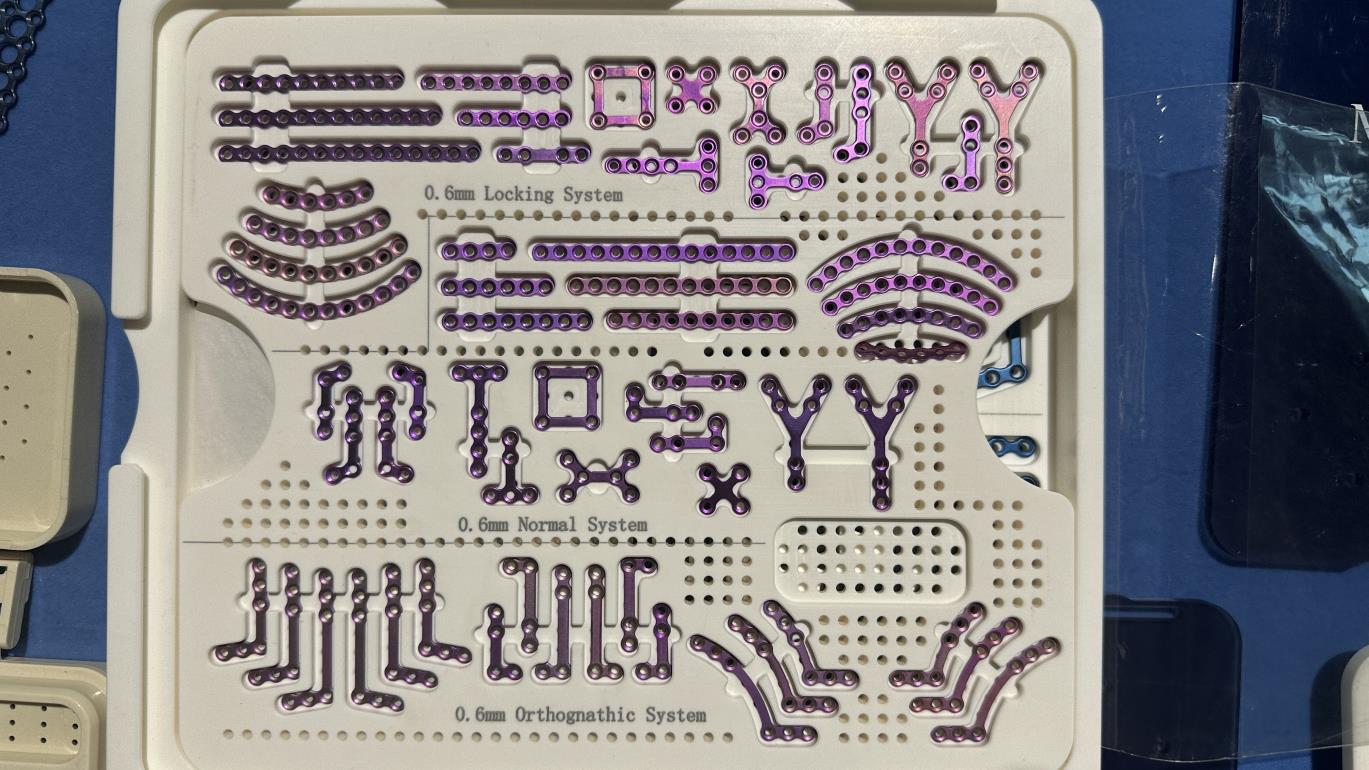
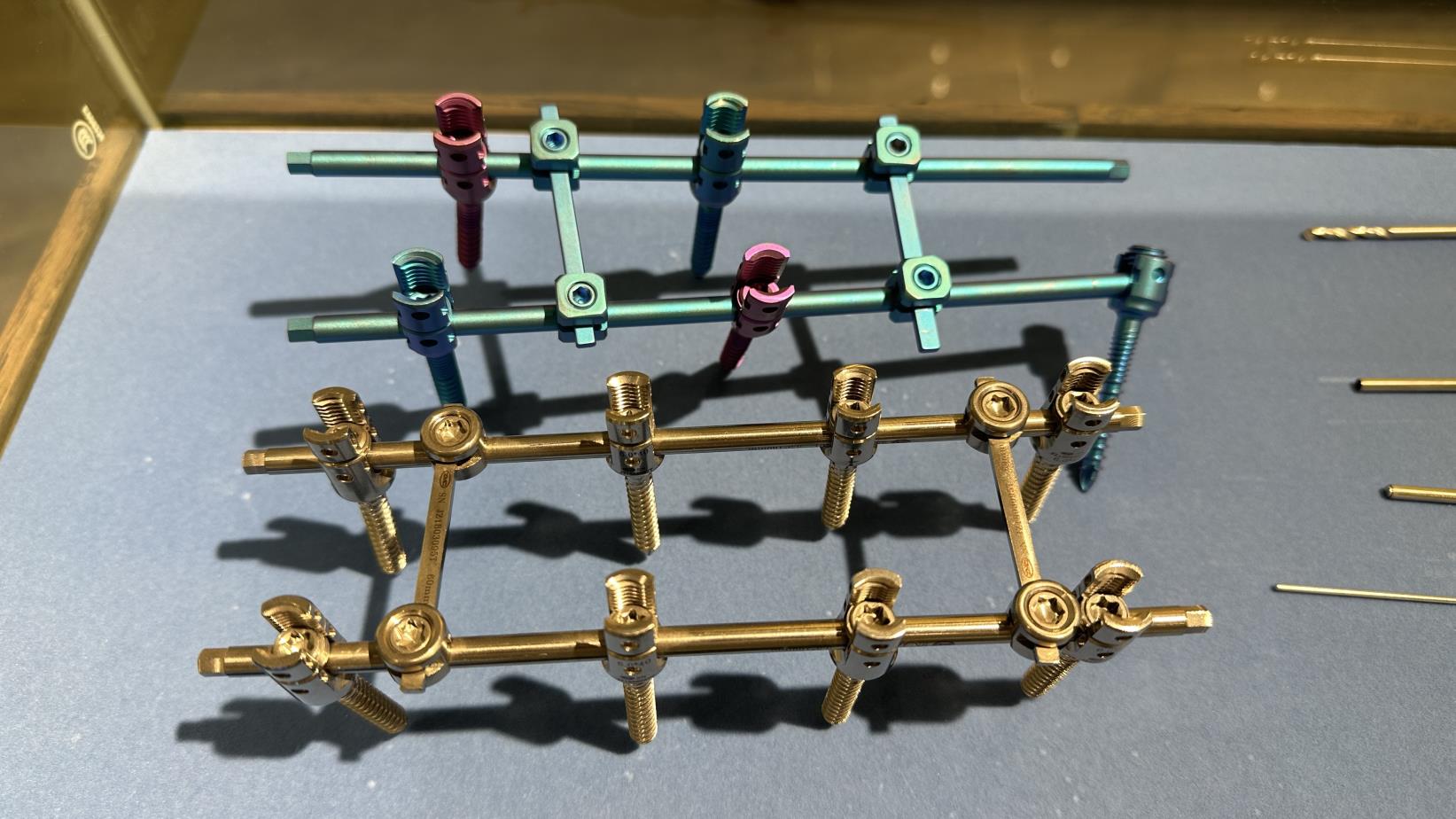
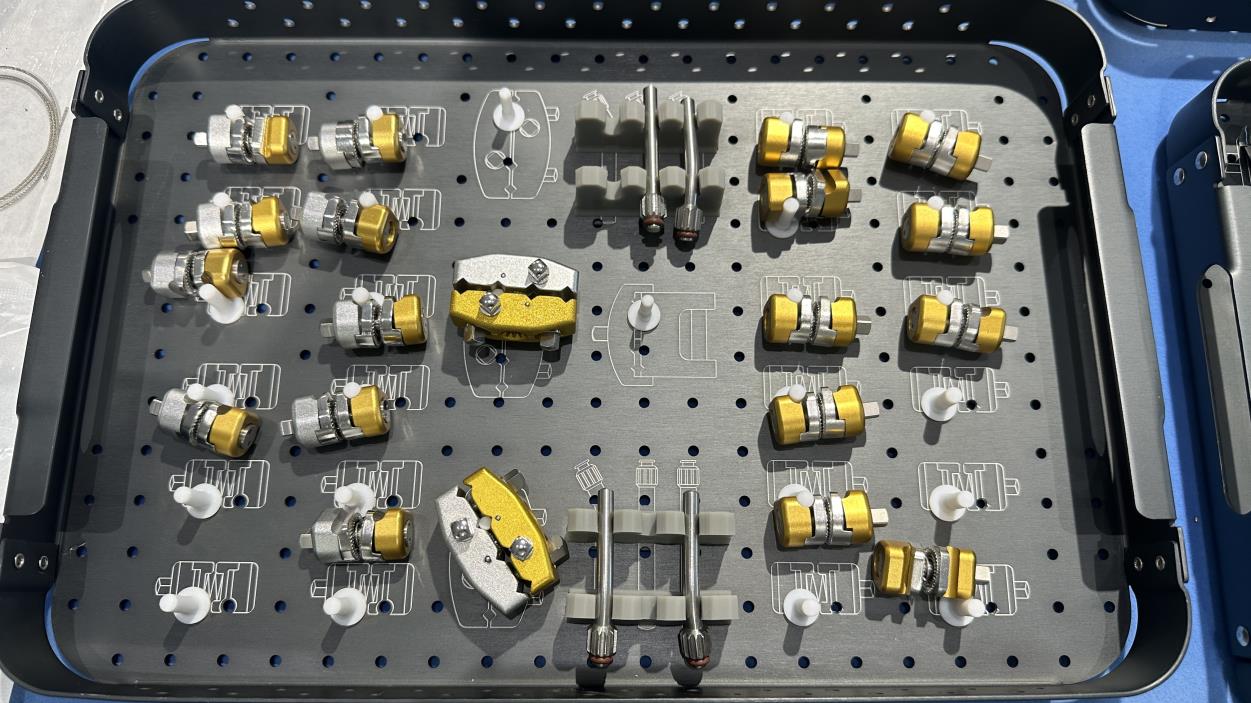
A visual insight into our advanced testing labs, packaging plants, and warehouse facilities.

Answering high-intent questions from clinical engineers, surgical heads, and international distributors.
Locking plates create a fixed-angle construct where the screw head threads directly into the plate hole, converting the plate and screw setup into a single internal fixator. This prevents the plate from being compressed tightly against the periosteum, protecting local cortical blood supply. Non-locking plates rely entirely on plate-to-bone friction for stability, which is often preferable for primary compression using dynamic tensioning methods.
Every batch of raw medical-grade titanium (Ti-6Al-4V ELI) and implantable stainless steel (316L VIM-VAR) undergoes chemical composition analysis and mechanical tensile testing. We provide full trace material certificates matching ASTM F136/F138 and ISO 5832 specifications. Laser spectroscopy verifies the exact alloy composition, identifying any trace elements to ensure long-term patient safety.
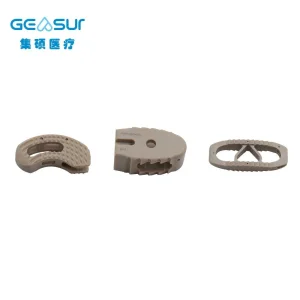
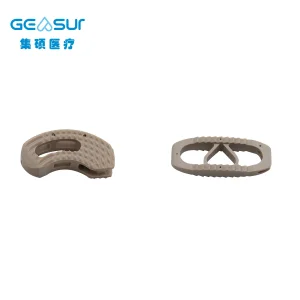
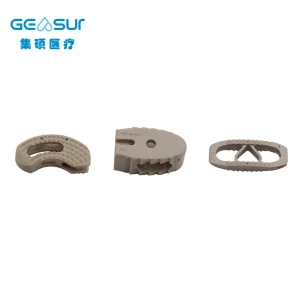
PEEK (Polyetheretherketone) features an elastic modulus highly similar to human cancellous bone, reducing the incidence of implant subsidence. However, raw PEEK is bio-inert. To optimize bone integration, our advanced cages feature a micro-thin, highly adherent pure titanium plasma coating. This delivers the structural compliance of PEEK alongside the superior osteoblast response of titanium.
Bone plates are tested under ISO 14801 and ASTM F382 standards, which mandate dynamic fatigue testing. Plates are subjected to millions of cyclic load steps mimicking physiological movement. The tests determine the structural limit before plastic deformation or crack propagation occurs, ensuring the implant does not fail during active bone healing phases.
To prevent corrosion, surgeons must not mix different metals (e.g. titanium plate with stainless steel screw) in a single fixation setup. Placing different metals in an electrolytic medium like body fluid triggers accelerated galvanic corrosion. We supply complete, single-material clinical systems (plates, screws, and washers all made of identical Ti-6Al-4V) to preserve metallurgical harmony.
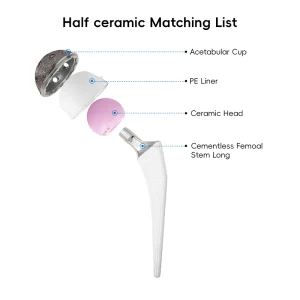
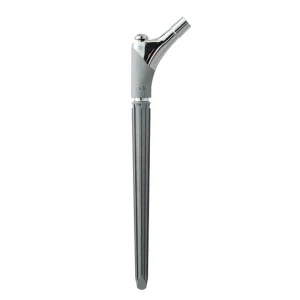
Specialty micro-plates, intramedullary locking nails, and joint replacement implants
 Tonk Orthopedic Implants